A lot of people wait for a sign that they're ready to buy a home. Married. Promoted. Perfect credit. A bigger down payment. The market calming down. Those signs rarely show up on schedule, and several of them matter less than people think.
The buyers who end up owning, and staying glad they bought, usually answer a handful of honest questions first. Whether this is your first home or your next one, start here.
Here are the questions worth answering before you tour a single home.
1. Will I stay put long enough for buying to make sense?
Buying and selling both cost real money: escrow and title fees, loan costs, commissions, moving. Those costs get spread across the years you live in the home. The shorter your stay, the harder it is for ownership to beat renting.
Think honestly about the next several years:
Is your job stable, or could it move you?
Are marriage, kids or caring for a parent likely to change what you need?
If you had to move unexpectedly, would you sell, or keep the home as a rental?
If you can't picture staying a while, waiting isn't failure. It's planning.
2. What monthly payment would still let me sleep at night?
That's a different number from what a lender says you qualify for. Your real payment includes principal, interest, property taxes, homeowners insurance and any HOA dues, and in California several of those can rise after you buy.
Property taxes reset at purchase. The seller's tax bill tells you very little. Budget on your purchase price, and set money aside for the supplemental tax bill that usually arrives after closing.
Insurance depends on the specific home. Roof age, fire hazard zone and claims history drive the price. Online estimates are guesses, so get a real quote before you write an offer.
HOA dues can climb or come with special assessments.
Build a full household budget, include big costs you can see coming, like childcare, a car or paying down credit cards, and then leave a cushion. More on that here: why you shouldn't max out your budget.
3. Is anything in my credit or income going to need some time?
The best time to talk with a lender is months before you shop, not the week you find a house. Many issues are easy to fix with time and hard to fix in escrow:
high credit card balances or errors on your credit report
a recent move from salary to commission or self-employment
write-offs that lower your taxable income
large deposits you can't document
Ask for a fully reviewed approval, where an underwriter checks your income, assets and credit up front. It gives you a real budget and a stronger offer. Here's what a real pre-approval should include.
4. Am I ready to be my own landlord?
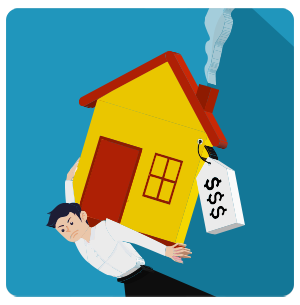
When the water heater fails, there's no one to call but you. Owners who do well keep a repair fund and know the age of the big systems: roof, furnace and air conditioning, water heater and sewer line.
If maintenance isn't your thing, a condo or townhome trades some control for less upkeep. Just read the association's budget, reserves and rules before you commit. See the hidden costs of homeownership for the full picture.
5. Why do I want to buy, and why now?
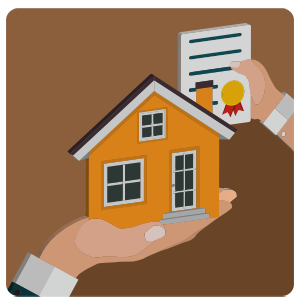
Good reasons are personal: stability, space, a neighborhood or school you love, building equity, being closer to family. It's worth pausing if the real driver is getting away from a hard season, like a breakup, a loss or a job upheaval, or feeling pressure because friends are buying. Decisions made under stress often get revisited.
And try not to let headlines set your timing. Base the decision on what you control: how long you'll stay, a payment that fits, and finding a home you'd be glad to live in.
Already own? Add one more question
If you're selling to buy your next home, ask yourself whether you could carry both payments if your current home took longer to sell than expected, and whether you'd rent it out if you had to. The order of operations matters, so talk with a lender before you list. Here's more on buying before you sell.
What to do next
If your answers are solid, get a fully reviewed approval and start looking with a clear budget. You can search homes for sale across the East Bay anytime.
If they aren't, you now have a short list to work on, and that's a plan. Want a second opinion on where you stand? Call or text 925-876-0876, or reach us here.
Pacific Residential Partners | NMLS #633518 | DRE #02101650