Renting or buying isn't only a math problem, but the math is where most people start, and it's often done wrong. Comparing rent to a mortgage payment leaves out half the picture on both sides. The better question is what each option costs you over the years you expect to stay, and which one fits the life you're planning.
Here's how to think through rent versus buy in the East Bay, the costs people miss and the signs you're ready, or not yet.
Start with how long you'll stay
Time is the biggest variable. Buying comes with upfront costs: your down payment, closing costs, moving and the things a new home always needs. Selling later comes with costs too, usually including commissions, transfer taxes and prep. Those costs get spread over the years you own the home, so the longer you stay, the more buying tends to make sense.
A common rule of thumb is that buying starts to beat renting somewhere around five years, but that's a starting point, not an answer. In a market where prices are flat, it can take longer. If you're likely to move for work in two or three years, renting usually wins on cost alone. If you expect to put down roots, the case for buying gets stronger every year.
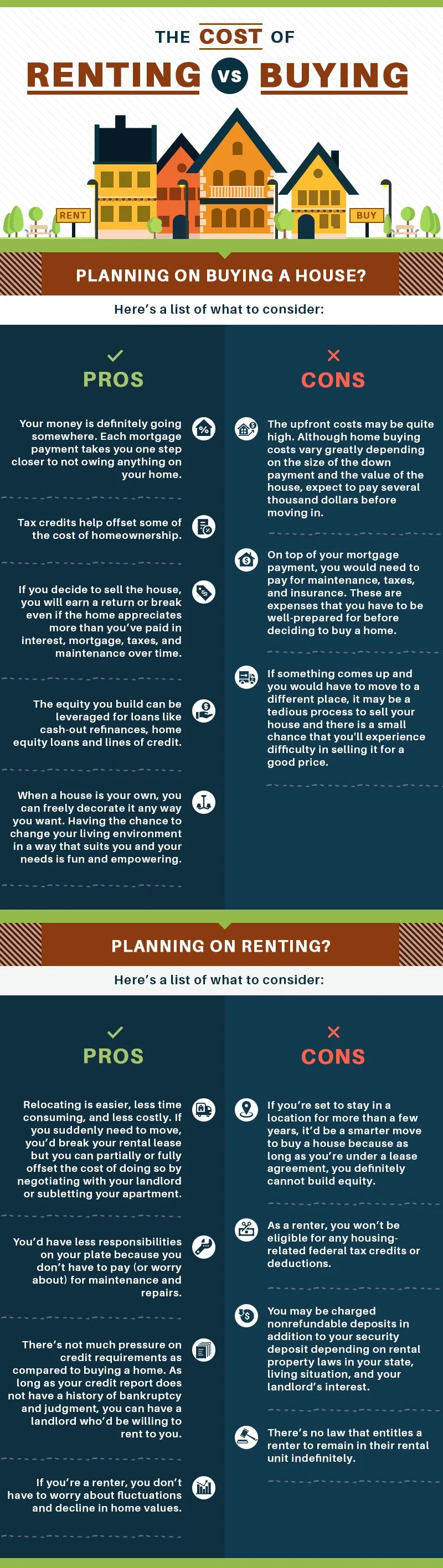
What renting really costs
Rent looks simple, but it isn't the whole bill:
Increases. Rent typically rises over time. California's statewide rent cap limits annual increases on many older units, but it doesn't cover every property, and some cities have their own rules.
Renters insurance, deposits and moving costs every time a lease ends or the owner sells.
No equity. Your payments cover housing and nothing else.
Renting also has real advantages that don't show up in a spreadsheet. You can move with notice, you don't pay for a new roof, and the money you'd have spent on a down payment stays invested and available.
What owning really costs
Your monthly mortgage payment is only part of the cost of owning. Add:
Property taxes. In California, your assessed value starts at roughly your purchase price, and Prop 13 generally limits increases to 2% a year while you own the home. Local bonds and assessments are added on top, so check the actual tax bill, not just the base rate.
Homeowners insurance, which has become harder to find and more expensive in parts of the East Bay, especially in fire hazard areas. Get a quote before you write an offer.
HOA dues, if you buy a condo, townhome or home in a planned community.
Maintenance and repairs. Budget something every year, even for a newer home.
Mortgage insurance, if you put down less than 20% on a conventional loan or use an FHA loan.
On the other side of the ledger, part of every payment goes toward principal, which builds equity. Over time, that equity, plus any growth in the home's value, is what makes ownership pay off. For a fuller list, see the hidden costs of homeownership.
The less obvious advantages of owning
A predictable housing payment. With a fixed-rate loan, your principal and interest stay the same for the life of the loan, even as rents around you rise. Taxes and insurance can still change.
Control. You can paint, renovate, get a dog and plant a garden without asking anyone.
Forced savings. Paying down a mortgage is a kind of savings plan most people stick to.
Options later. Equity can help fund a move-up purchase or a major project. In California, Prop 19 can let homeowners 55 and older carry their tax base to a replacement home, which matters for long-term planning.
Signs you're ready to buy, and signs to wait
You may be ready if:
you expect to stay in the area for at least several years
your income is stable and your credit is in good shape
you'll have savings left after your down payment and closing costs
the full monthly cost of owning, not just the mortgage, fits comfortably in your budget
It may be worth waiting if your job or relationship situation is about to change, if buying would wipe out your emergency fund, or if you're stretching to qualify for a home you'd only tolerate. Waiting isn't failing. It's often the step that makes the purchase work. Here's how to tell if you're ready to buy.
If you already own and are thinking about your next move
The same logic applies to selling to buy. Before you list, compare your current home's total cost with your next one, including the property tax reset that usually comes with a new purchase in California. Some owners find that keeping their home as a rental and buying again works better. Others find that a sale and a clean start is simpler. A lender can show you both side by side. More on buying before you sell.
What to do next
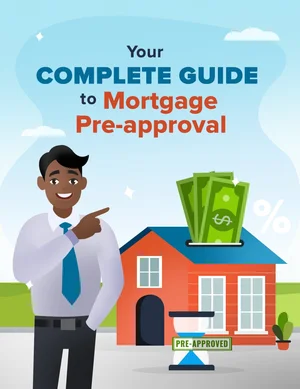
Run your own numbers with real costs: actual rent with expected increases on one side, and the full monthly cost of owning, plus upfront and selling costs, on the other. Then decide how long you're likely to stay. A fully reviewed pre-approval will show you what you can afford before you start looking. When you're ready, search homes across the East Bay.
Want help comparing renting and buying with your actual numbers? Call or text 925-876-0876, or reach us here.
Pacific Residential Partners | NMLS #633518 | DRE #02101650