Every home inspection report looks alarming. They're long, full of photos and written to note everything an inspector sees, from a cracked foundation to a missing outlet cover. That's the inspector doing the job well, not the house falling apart.
The skill is sorting what matters from what's normal. Here's how to read the report, the five red flags that deserve a closer look, and what to do about them while you still have options.
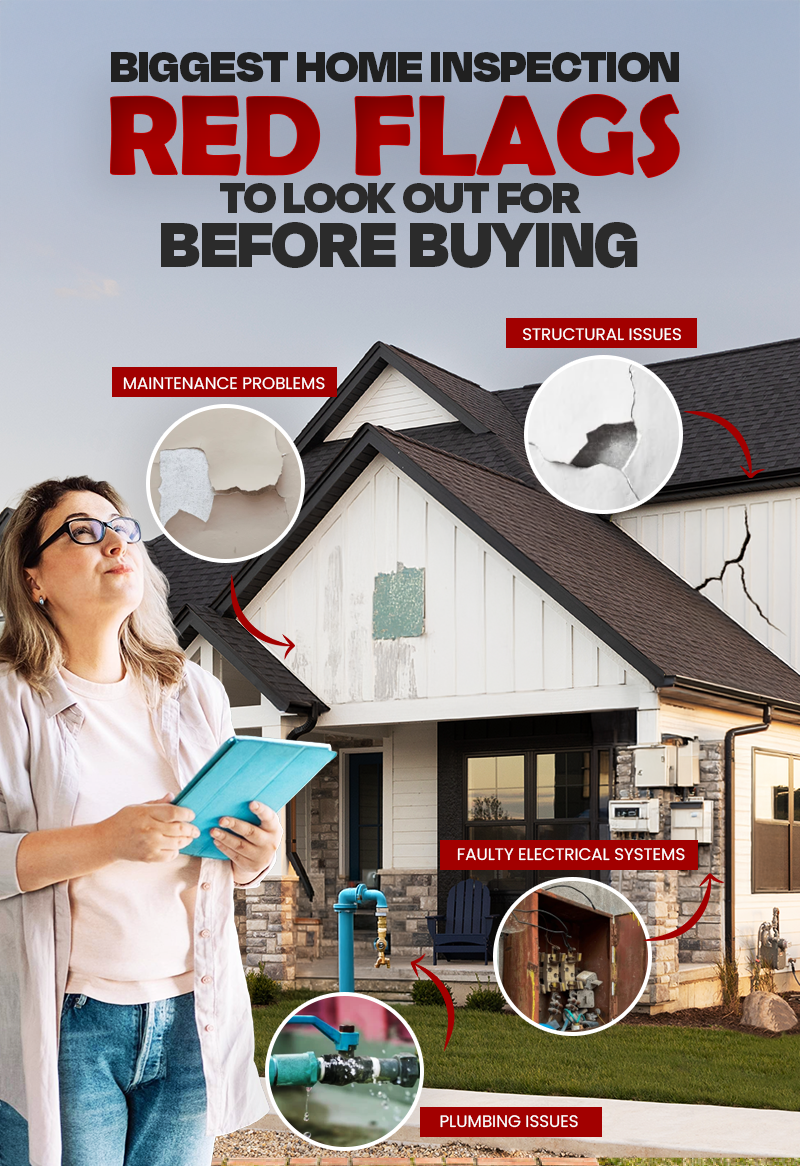
How to read an inspection report
Sort every item into one of three groups:
Safety and structure: foundation movement, active leaks, electrical hazards, gas issues, a failing roof. These are worth negotiating.
Big systems near the end of their life: roof, furnace, air conditioning, water heater, sewer line. Not urgent today, but expensive soon. Price them out.
Everything else: worn caulk, sticky doors, loose railings, normal wear. That's homeownership.
Read the report next to the seller's disclosures. In California that usually includes the Transfer Disclosure Statement and the Seller Property Questionnaire. If the inspector finds something the seller didn't mention, ask about it.
Timing matters too. The standard California purchase agreement gives buyers 17 days for inspections and investigations unless the contract says otherwise, and many competitive offers shorten that. Schedule inspections the day your offer is accepted. Here's more on how contingencies work.
With that framework, these are the five red flags to take most seriously.

1. Foundation and structural problems
The foundation carries the whole house, and repairs are among the most expensive a homeowner can face. Expansive clay soil and hillside lots make this a common East Bay concern. Watch for diagonal cracks from the corners of windows and doors, floors that slope, doors that stick, gaps around window frames and cracked or leaning retaining walls.
A general inspector can flag symptoms but can't tell you how serious they are. If the report mentions movement, hire a structural engineer during your contingency period. Ask whether the movement is old and stable or active, what a repair would involve and roughly what it would cost.

2. Water damage and poor drainage
Water is behind more expensive repairs than almost anything else. It rots framing, damages foundations and feeds mold. Red flags include ceiling or wall stains, fresh paint on one spot, warped floors, a musty basement or crawlspace, efflorescence on concrete and soil that slopes toward the house.
Ask the seller about past leaks and request the home's insurance claims history. Prior water claims can make a home harder to insure. If the inspector suspects hidden moisture or mold, a specialist can test and estimate remediation before you remove contingencies.

3. Plumbing and the sewer line
Old plumbing can fail slowly and expensively. Watch for galvanized steel supply pipes, polybutylene pipe, low water pressure, rusty water and slow drains throughout the house. A water heater should also be strapped for earthquakes, which California requires.
Never skip a sewer camera inspection on an older home. The line running from the house to the street is usually the owner's responsibility, and replacing it can cost thousands. Roots, cracks and sags show up clearly on camera. In the EBMUD service area, the private sewer lateral generally has to be inspected and certified when a home sells, so ask who is handling that.

4. Electrical hazards
Electrical problems are both a safety issue and an insurance issue. Red flags include knob-and-tube wiring, aluminum branch wiring, older Federal Pacific or Zinsco panels, an undersized panel for a home's needs, missing GFCI protection near water, and do-it-yourself wiring like exposed splices or extension cords used as permanent wiring.
Some insurers won't write a policy until certain panels or wiring are replaced. If the report flags the electrical system, get a licensed electrician's evaluation and an insurance quote before you remove contingencies.

5. Termites and other pests
Most California sales include a separate wood-destroying pest and organisms report. Section 1 items are active infestation or damage that exists now. Section 2 items are conditions likely to lead to damage later, such as moisture or wood touching soil. Treatment and repair costs for each section are negotiable, so read the totals carefully.
Rodents and carpenter ants matter too. They damage insulation, wiring and wood, and an active problem often points to openings or moisture that need fixing.
How to handle red flags
Finding problems doesn't mean the deal is over. While your inspection contingency is still in place, you usually have four options:
Get specialists in. Use the general inspection as a map, then bring in a structural engineer, roofer, plumber, electrician or pest company for anything serious.
Ask for repairs. The seller can agree to fix specific items before closing. Ask for licensed contractors and receipts.
Ask for a credit or price reduction. A credit toward closing costs often works better than seller repairs, because you control the quality of the work. Lenders limit how much a seller can credit, so check with your lender first. More on how seller concessions work.
Walk away. If the problems are bigger than the house is worth to you, cancel within your contingency period and protect your deposit.
Whatever you agree to, put it in writing, and confirm repairs at your final walkthrough.
If you're selling to buy, consider a pre-listing inspection on your own home. Knowing your issues up front lets you fix, price or disclose them on your terms instead of renegotiating in escrow. For homes that need more than cosmetic work, see how to tell a fixer-upper from a money pit.
What to do next
Book inspections early, read the report in three groups, and spend your contingency period getting real answers on anything structural, water-related, electrical or in the sewer line. When you're ready, search homes across the East Bay.
Have an inspection report and want help sorting what matters? Call or text 925-876-0876, or reach us here.
Pacific Residential Partners | NMLS #633518 | DRE #02101650