Most credit advice online is noise. A handful of things move your score a lot, and a few common moves quietly hurt it right before you apply for a mortgage. Here's what matters in the year or so before you buy, whether it's your first home or your next one.
Seven credit events that do the most damage
These are the items that weigh most heavily on a credit report, roughly how long they stay, and what they mean when you apply for a home loan.
1. Late payments
A payment reported 30 or more days late can drop a strong score sharply, and late payments can stay on your report for up to seven years. The impact fades with time, so a recent late payment weighs far more than an old one. Mortgage lenders look hardest at the last 12 months, especially any late rent or housing payment.

2. Collections
Unpaid accounts sent to a collection agency can stay on your report for up to seven years from the original missed payment. Newer scoring models ignore paid collections, but many mortgage lenders still use older versions, so talk with your lender before paying or settling one. In California, medical debt is now barred from credit reports.

3. Bankruptcy
Tax liens and civil judgments no longer appear on the major credit reports, so bankruptcy is the public record that matters. A Chapter 7 can stay for up to 10 years and a Chapter 13 for up to seven. You can still buy afterward. Waiting periods range from about a year into a Chapter 13 plan for some FHA loans to four years after a Chapter 7 discharge for a conventional loan.

4. Settlements and short sales
Settling a debt for less than you owe is reported as settled, not paid in full, and can stay for up to seven years. A short sale on a mortgage is treated similarly. For a new home loan, the typical waiting period after a short sale is about four years for a conventional loan and three for FHA.

5. Charge-offs
A charge-off means the lender wrote your debt off as a loss, usually after several months of missed payments. You still owe it, it can be sold to a collector, and it can stay on your report for up to seven years. Some lenders require charge-offs to be paid or explained before they'll approve a mortgage.

6. Repossessions
When a car or other property is repossessed, the missed payments, the repossession and any balance left after the sale can all be reported, and they can stay for up to seven years. If you're falling behind on a car loan, call the lender before you miss payments. You have more options early.
7. Foreclosures
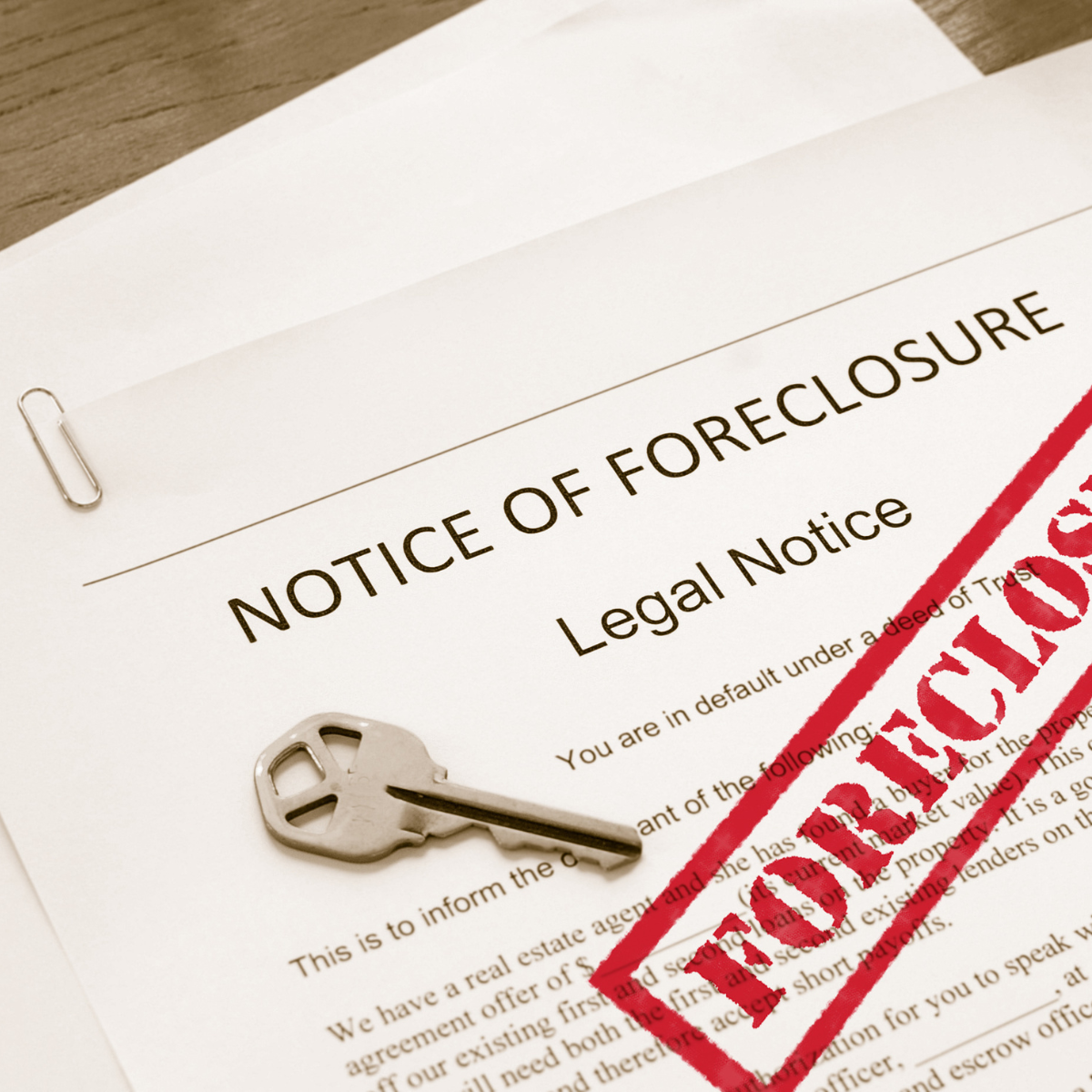
A foreclosure can stay on your report for up to seven years and carries the longest mortgage waiting periods: generally seven years for a conventional loan and three for FHA. A deed in lieu of foreclosure usually has a shorter conventional waiting period, closer to four years.
What actually helps in the year before you buy
Pay every account on time. Nothing else comes close. Set up autopay for at least the minimum on every card and loan.
Keep card balances low compared with your limits, especially in the two or three months before you apply. Card issuers usually report your balance on the statement date, so paying down before that date shows a lower balance.
Leave old cards open, even if you don't use them. Their age and available credit help your score.
Hold off on new accounts and new loans. New debt changes your ratios, and new inquiries add up.
Pull your reports from all three bureaus and dispute errors early. Fixes can take a month or more to show up.
Here's a closer look at what lenders weigh on a mortgage application.
The hidden traps buyers don't see coming
The score in your banking app usually isn't your mortgage score. Many apps show a VantageScore or a newer FICO version. Mortgage lenders have long used specific older FICO models, and those numbers can be noticeably different.
A credit freeze can stall your application. If you froze your credit for security, lift it before a lender pulls your report.
Open disputes can slow underwriting. An account marked as disputed may need extra review or have to be resolved before closing. Dispute errors well before you apply.
Buy-now-pay-later plans and store cards add up. Some now appear on credit reports, and lenders count the payments.
Authorized user accounts cut both ways. A parent's old, well-managed card can help. A high-balance or late-paying card can hurt.
If you already own and are planning a move, guard your current mortgage history above everything else. A single late housing payment in the last year can affect your next approval. And once you've applied, the rules tighten further. See what not to do while you're in escrow.
What to do next
Start early. Most credit improvements take a few statement cycles to show up, so the best time to work on your credit is several months before you shop. When you're ready, get a fully reviewed pre-approval and search homes across the East Bay.
Not sure where your credit stands for a mortgage? Call or text 925-876-0876, or reach us here.
Pacific Residential Partners | NMLS #633518 | DRE #02101650